01Catalog-backed development
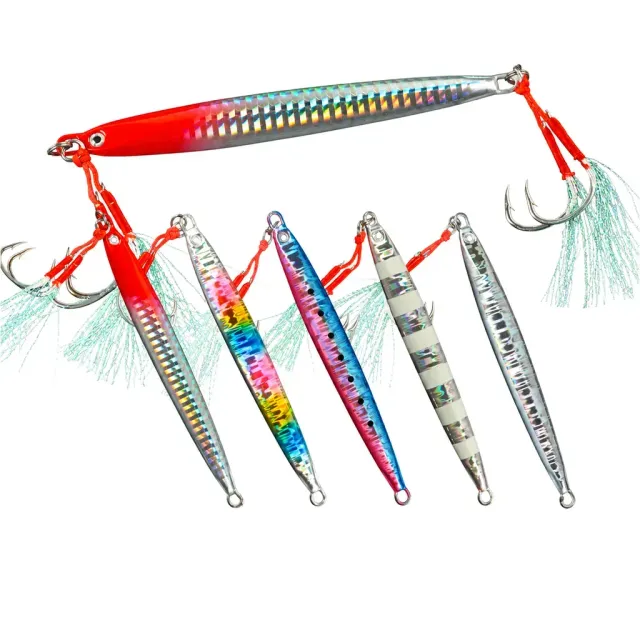
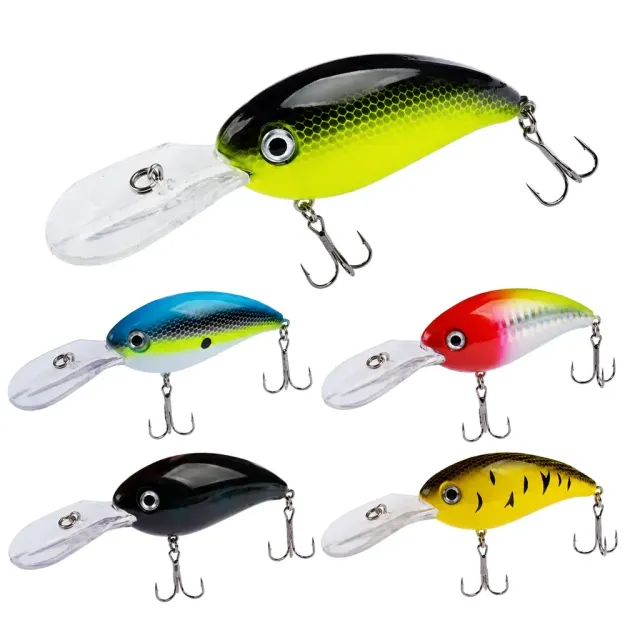
A 60-SKU working catalog gives buyers existing bodies, dimensions, weights and variants to use as a faster starting point.
02Three material systems
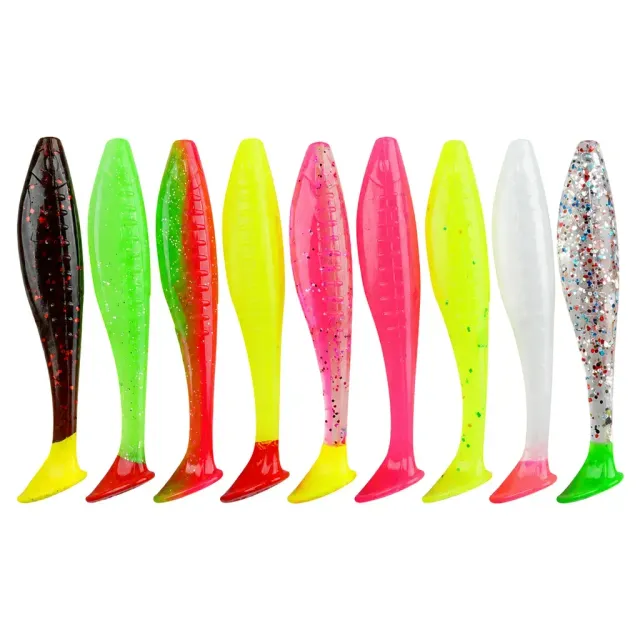
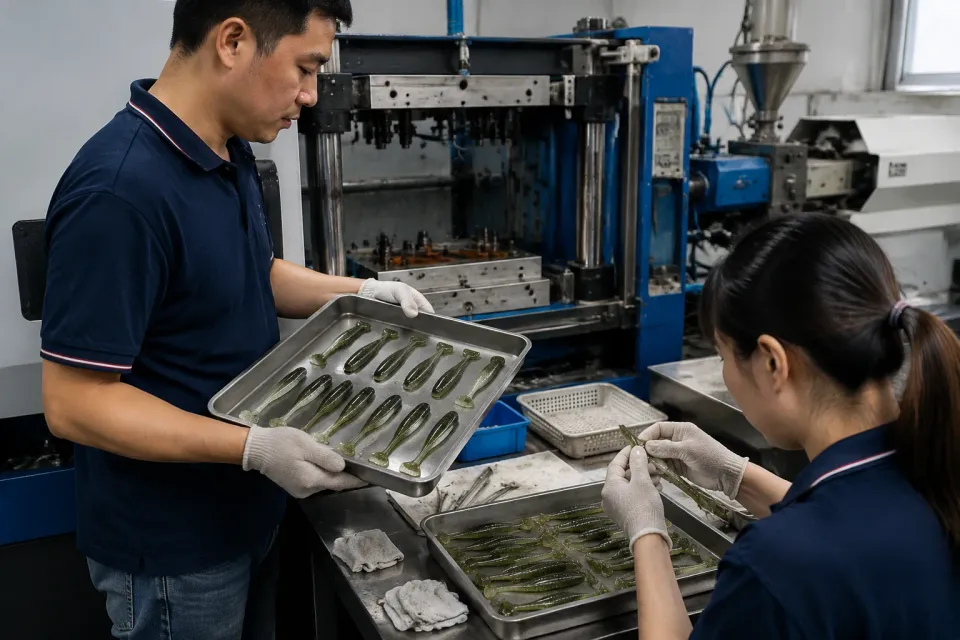
PVC, TPR and silicone options let the production brief address softness, stretch, buoyancy, sinking behavior and lure action.
03Wide lure-weight coverage
The current range extends from 0.4 g micro soft baits to 400 g deep-sea jigs, supporting finesse, casting and offshore programs.
04Finish development
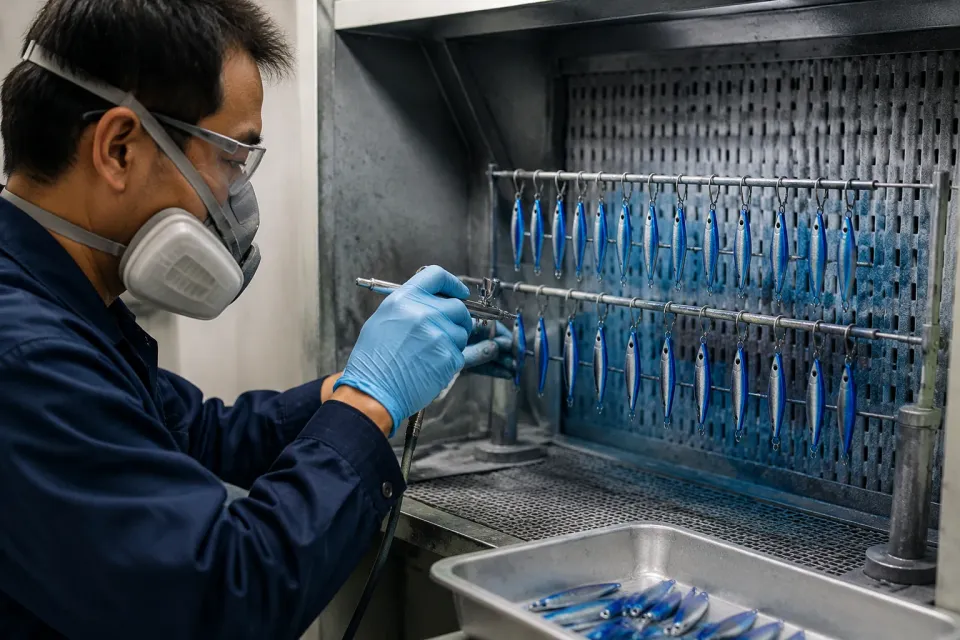
Natural forage colors, high-contrast patterns, laser film, reflective scales, 3D print and luminous treatments serve different water and light conditions.
05Configurable hardware
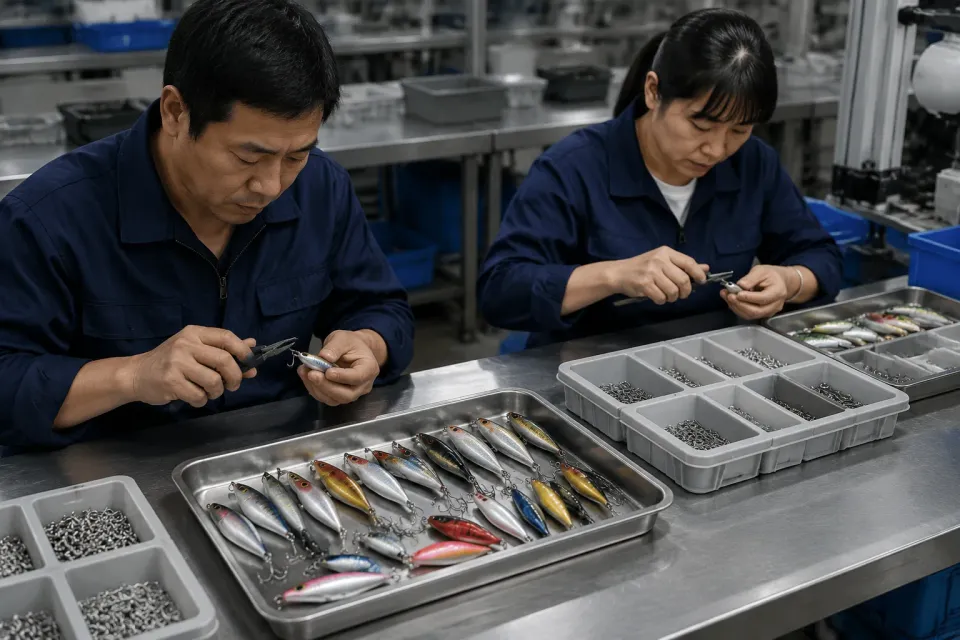
Bare bodies, split rings, treble hooks, assist hooks, jig heads, weighted hooks and rotating blades can be specified where each model allows.
06Multi-category coordination
Soft lures, metal jigs, hard baits, hooks, rods and storage can be reviewed as one coordinated wholesale assortment.
07Sample-led approval
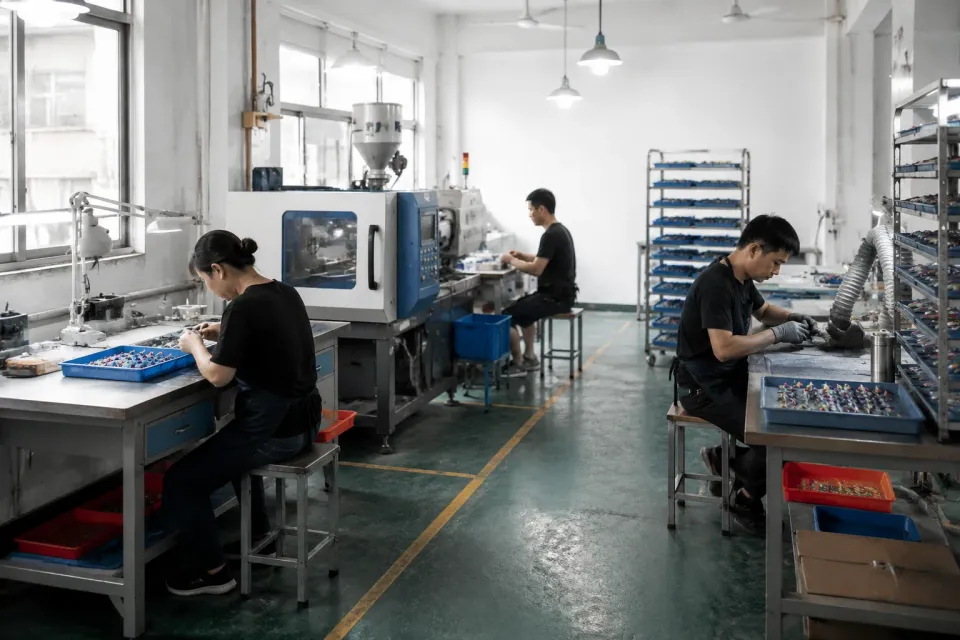
The selected body, color, weight, rigging and presentation are aligned through a reference sample before the order moves forward.
08Private-label readiness
Logo, barcode, warning copy, bag, box, insert card and export-carton requests can be reviewed as part of the same production brief.
09Specification control
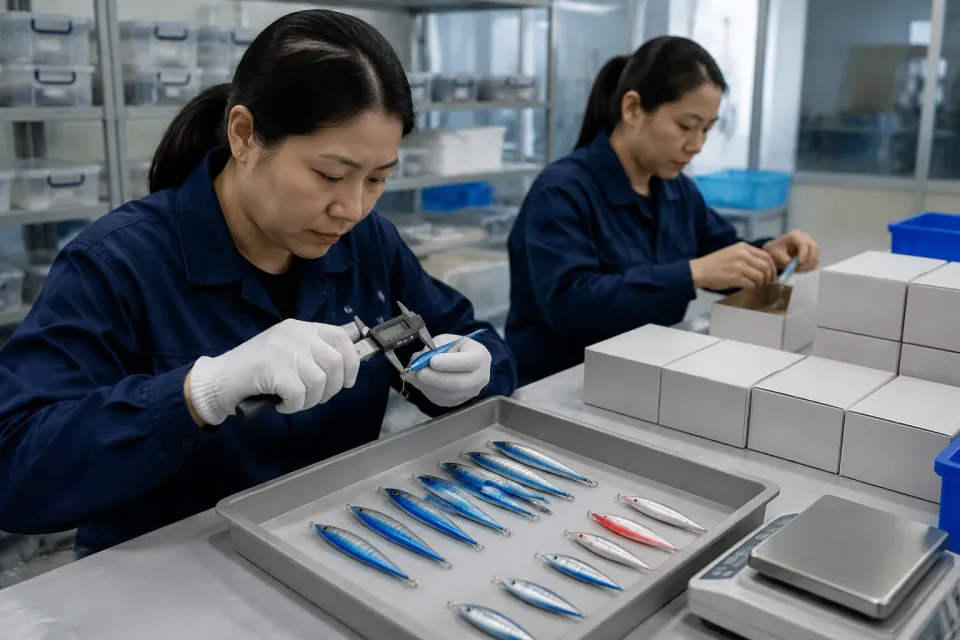
Approved samples, SKU references, dimensions, colors and packing notes create a clearer baseline for production and repeat orders.
010Direct project communication
Selection starts with target fish, water type, price position, quantity and destination-market requirements rather than a generic product list.
011Mixed-SKU planning
Multiple models, colors and weights can be organized into a documented assortment, subject to confirmed MOQ and packing requirements.
012Repeat-supply discipline
Confirmed SKU and variant records help reduce ambiguity when a successful item moves from sampling into replenishment.

 01
01